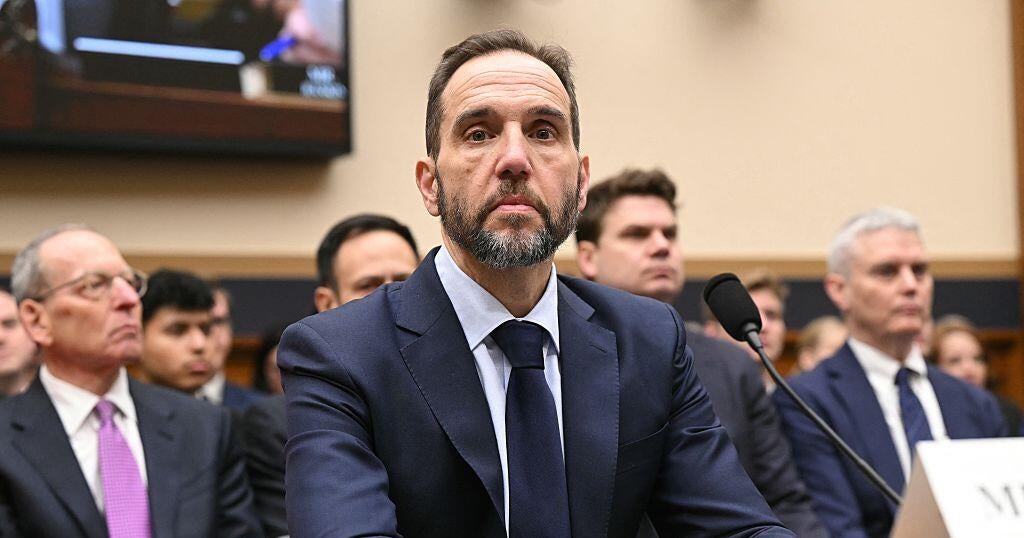
Judge Cannon Slams Jack Smith's "Brazen Stratagem" Report
In a decisive move that has sent ripples through legal and political circles, U.S. District Judge Aileen Cannon has permanently blocked the Justice Department from releasing Special Counsel Jack Smith’s final report concerning the classified documents found at Mar-a-Lago. This ruling is a significant development in the high-profile case involving former President Donald Trump, and it comes with a stinging rebuke from Judge Cannon directed squarely at Smith's conduct. At the heart of the matter lies Judge Cannon's assertion that Smith's continued compilation of the report, particularly after she ruled his appointment unconstitutional and dismissed the case, constituted a "brazen stratagem" that undermined basic principles of justice and fairness. The showdown between
Judge Cannon and Jack Smith reached its crescendo with this ruling, spotlighting critical issues of judicial authority, due process, and the bounds of prosecutorial power.
The "Brazen Stratagem" and a Breach of Judicial Order
Judge Cannon, a Trump-appointed judge, did not mince words in her written order. She accused Special Counsel Smith and his team of moving ahead "for months, undeterred" in preparing the classified documents report. This action, she stated, occurred *after* her critical July 2024 ruling that declared Smith’s appointment as special counsel unconstitutional and dismissed the entire case against Trump and his two co-defendants. The Justice Department had initially appealed Cannon’s decision but ultimately dropped the case after Trump's election.
"To say this chronology represents, at a minimum, a concerning breach of the spirit of the Dismissal Order is an understatement, if not an outright violation of it," Judge Cannon wrote. This strong language highlights her view that Smith's team essentially circumvented her previous judicial directive, continuing to expend government funds and use discovery materials on a case that had already been thrown out. This effectively painted Smith’s actions as an attempt to proceed with a public narrative even after the legal avenue for prosecution was closed by her court. The term "brazen stratagem" itself implies a bold and calculated move, demonstrating Cannon's deep dissatisfaction with the special counsel's approach. This aspect of the ruling underscores the critical importance of respecting judicial orders, even when an appeal is pending or a case is dismissed. For a deeper look into the implications of this decision, read our related article,
Judge Cannon Permanently Blocks Jack Smith's Mar-a-Lago Report.
Protecting Fairness and Preventing "Manifest Injustice"
One of the primary justifications cited by Judge Cannon for blocking the report's release was the imperative to uphold "basic notions of fairness and justice." She argued that allowing the report to go public now would amount to a "manifest injustice" because the criminal case against Trump never reached a jury. In the U.S. justice system, a defendant is presumed innocent until proven guilty, and a trial by jury is a fundamental right. When a case is dismissed before trial, no finding of guilt or innocence is made by a jury of peers.
Releasing a detailed, potentially damning report in such circumstances, Judge Cannon reasoned, would prejudice public perception without the defendant ever having the opportunity to contest the allegations in a courtroom setting. This concern for due process is paramount, as the judicial system strives to ensure that individuals are afforded a fair hearing. A report detailing allegations that were never adjudicated could unfairly tarnish an individual's reputation and standing, circumventing the very protections built into the legal system.
The Uncharted Waters of Special Counsel Reports Post-Dismissal
Judge Cannon also delved into the historical context of special counsel reports, finding a critical distinction in this situation. She noted that while former special counsels have indeed released final reports at the conclusion of their work, they have typically done so under specific conditions: "either after electing not to bring charges at all or after adjudications of guilt by plea or trial."
"The Court strains to find a situation in which a former special counsel has released a report after initiating criminal charges that did not result in a finding of guilt," Cannon wrote. This observation highlights the unique and potentially problematic nature of Smith's continued work on the report. In essence, the ruling establishes a crucial precedent: a special counsel's authority to publish a final report may be limited to cases that conclude either without charges or with a definitive legal resolution (guilt or acquittal) following a trial. Publishing a report *after* a case has been dismissed due to an unconstitutional appointment, without any adjudication of the facts, pushes the boundaries of established practice and raises questions about the appropriate scope of a special counsel's investigative and reporting powers.
Furthermore, Cannon expressed concern that the report could "risk revealing information protected by attorney-client privilege and grand jury secrecy." These legal protections are cornerstones of the justice system, safeguarding confidential communications and the integrity of the investigative process. Breaching them, even inadvertently, could have far-reaching implications for future cases and the trust placed in legal confidentiality.
Broader Implications and Enduring Scrutiny
The ruling by
Judge Cannon against Jack Smith is not an isolated event but fits into a broader narrative of judicial scrutiny and the complexities surrounding high-profile cases. Judge Cannon has drawn significant attention for several rulings that have favored Donald Trump throughout the classified documents case. Notably, she had previously delayed the case for months by installing an independent overseer (special master) to review materials seized from Mar-a-Lago, a decision later overturned by a federal appeals court. She also rejected Smith's push for a speedy trial schedule. The timing of her initial dismissal of the case – on the day Trump was formally nominated at the 2024 Republican National Convention, following an assassination attempt – also attracted considerable comment.
Trump's legal team has lauded Cannon's latest decision. Kendra Wharton, one of Trump's lawyers, praised the judge, stating, "Judge Cannon’s courage and judicial resolve on these important due process issues should be recognized and taught in law school classrooms across America." This sentiment underscores the perception among Trump's supporters that Judge Cannon is a defender of fundamental legal principles in the face of what they view as politically motivated prosecution.
Conversely, critics of Cannon have often pointed to her rulings as unusually deferential to Trump, raising questions about judicial impartiality. However, her latest order relies heavily on established legal principles: the presumption of innocence, due process, and the sanctity of judicial orders. It's also worth noting that, according to the reference context, "all parties" eventually agreed that Smith’s report should not be made public, a crucial detail that emerged after Trump was sworn into his second term. This shift in the Justice Department's stance (implicitly after the election) lends further weight to Cannon's decision to permanently block the release.
The Importance of Judicial Independence and Public Trust
This landmark decision by Judge Cannon serves as a powerful reminder of the judiciary's role as a check on executive power and prosecutorial overreach. While transparency in government is generally desired, judicial independence also requires adherence to established legal procedures and the protection of individual rights. The tension between the public's right to know and an individual's right to due process is often at the forefront of such cases.
Practical Tip: When following high-stakes legal proceedings like this, it's crucial to distinguish between legal opinions, factual allegations, and adjudicated outcomes. A special counsel report, in this context, is an investigative summary, not a judicial finding of guilt. Understanding these distinctions helps in forming an informed opinion rather than being swayed by preliminary information. For a deeper dive into the implications for the former President, explore
What Judge Cannon's Mar-a-Lago Report Block Means for Trump.
Conclusion
Judge Aileen Cannon's permanent block on Jack Smith's Mar-a-Lago report marks a significant victory for Donald Trump and a definitive moment in the ongoing legal battles surrounding him. Her strong condemnation of Smith's "brazen stratagem" underscores a fundamental commitment to due process, fairness, and the authority of judicial orders. By preventing the release of a report from a case dismissed without a finding of guilt, Judge Cannon has reaffirmed the principles of justice that dictate public accusations must be tested in a court of law. This ruling, rooted in concerns about fairness, grand jury secrecy, and attorney-client privilege, sets a potentially significant precedent for the limits of special counsel reporting, ensuring that the conclusion of an investigation aligns with the legal resolution of the charges. The decision further solidifies Judge Cannon's contentious but pivotal role in a legal saga that continues to captivate and divide the nation.